washing machine repair
Washing machine repair for washers that will not drain, spin, or stop shaking. Honest cost ranges, quick checks to try first, and repair vs replace advice.
Need washing machine repair? Call now for same-day service.
Call +1 (888) 206-0056Standing water in the tub. A washer that shakes like it wants to leave the room. This washing machine repair guide covers the failures behind those symptoms. It includes quick checks to try first, honest cost ranges, and when a new machine makes more sense.
Washing machine repair: the most common problems
Washer repair calls follow patterns. Techs hear the same five complaints on repeat. Match your symptom below to find the likely cause and what to try before you book a visit.
Washer will not drain
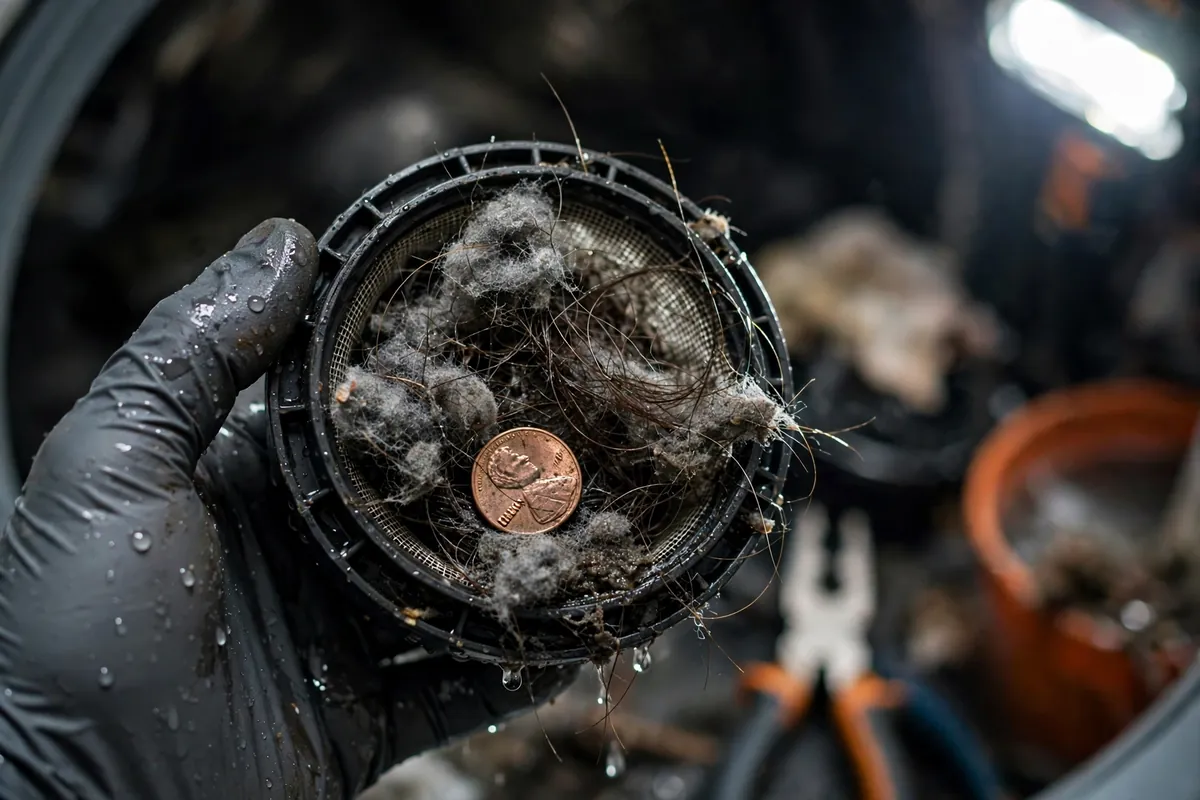
Standing water at the end of the cycle is the top washer complaint. Work from cheapest to priciest. First, check the coin trap, the small filter at the front bottom of most front load machines. Coins, socks, and lint collect there. Next, check the drain hose for kinks. Then the drain pump itself, which can clog or burn out. Last, the lid switch or door lock. If the washer thinks the lid is open, it will not drain or spin.
Washer will not spin
A washer that fills and drains but will not spin usually has a safety or drive problem. On top load machines, a failed lid switch is the classic cause. The washer will not spin with the lid open, because that is dangerous. On front load machines, the door lock does the same job. If the lid or door is fine, the drive belt, motor coupler, or clutch may have failed. A washer that tries to spin, groans, and gives up often has a worn clutch. A bad motor coupler does the same.
Shakes violently or walks across the floor
Some shaking is normal. Walking across the laundry room is not. An unbalanced load is the first thing to rule out. Wash heavy items like jeans and towels in balanced loads. Next, check that the machine is level. A front load washer on an uneven floor will shake itself apart over time. Worn shock absorbers or suspension rods let the tub bang against the cabinet during the spin cycle. On older top loads, worn suspension springs do the same. Shaking that gets worse over months usually means a worn part, not a bad load.
Leaking water
Leaks are messy but often simple. Check the fill hoses at the back first. Old rubber hoses crack and burst. Steel braided hoses last far longer and cost little. Next, look at the drain hose and the standpipe. If the standpipe overflows, the drain may be clogged, not the washer. On front load machines, the door boot seal can tear and leak at the front. A torn boot needs replacement. Water under the machine during the spin cycle can mean a failing tub seal. That is a bigger job.
Top load vs front load: different machines, different failures
Top load washers are simpler. Their most common failures are the lid switch and the motor coupler. The agitator dogs, small parts that grip the clothes, wear out too. Front load washers wash better and use less water. But they add a door lock, a door boot seal, and a drain pump filter. All three fail over time. Front loads also grow mold in the door gasket. Owner surveys rank it the top washer complaint. Neither design is better. They just break in different places.
Brand note: one platform, three brand names
Whirlpool, Maytag, and Kenmore top load washers from the last few decades share the same direct drive platform. That means identical parts across brands. The lid switch, the motor coupler, and the clutch carry the same part numbers everywhere. It also means any experienced tech can fix them, and parts are cheap and easy to find. If you own one of these, you own one of the most repairable washers ever made. Our Whirlpool washer guide covers the shared platform in detail. Cabrio owners should also see our Whirlpool Cabrio model guide, which covers the suspension rod bounce, F9 E1 drain faults, and lid lock failures specific to that line.
Samsung washers have their own common codes. 4E and 4C point to water inlet problems. UE or DC means an unbalanced load the machine could not fix on its own. Our Samsung washer guide walks through each code and the right fix.
Quick checks to try before you call
These take minutes and solve a real share of service calls. A good washing machine repair service diagnoses in order of cost, and you can do the same.
- Clean the coin trap or pump filter. It sits behind a small panel at the front bottom.
- Straighten the drain hose. No kinks, no crushing against the wall.
- Test the lid switch or door lock. If the washer does not know the lid is closed, it will not spin.
- Balance the load. Move heavy items around and run the spin again.
- Check the breaker. A tripped breaker can kill the motor circuit.
- Leave the door open between washes on a front load machine. Airflow fights mold.
Typical repair costs
Prices below are typical ranges charged by shops across the US. Your quote depends on the brand, the model, and your market. Nobody can price a repair without seeing the unit. Treat any phone quote as a guess until a tech diagnoses it.
- Diagnostic visit: $60 to $130, often credited toward the repair
- Drain pump: $150 to $300
- Lid switch: $120 to $220
- Door lock assembly, front load: $150 to $300
- Drive belt: $100 to $200
- Clutch or motor coupler: $200 to $400
- Shock absorbers or suspension rods: $150 to $300
- Control board: $250 to $500
Motors and transmissions sit at the top of the list. A failed transmission on an older machine often costs more than the machine is worth.
Repair or replace: how to decide
Start with the 50 percent rule. If the repair costs more than half of a comparable new washer, buy new. Under eight years old, most repairs make sense. At ten years or more, weigh the repair against a new machine with a full warranty.
One repair almost always means replace: a failed transmission on a machine past year eight. The part and labor together run so high that the money buys a better machine. Also count the hidden costs of replacing: delivery, installation, and hauling the old unit away. Those add $100 or more to the real price of new.
What happens next
Note the symptom, the brand, and the model number from the sticker on the machine. Check whether it is still under the manufacturer warranty. Then ask for a flat total before any work starts. To browse everything we cover, start at our home page. For local help, see our service areas.
Frequently asked questions
Why won't my washing machine drain?
Start with the coin trap, the small filter behind the front bottom panel. Coins and socks block it. Next check the drain hose for kinks. If both are clear, the drain pump may have failed. Last, test the lid switch or door lock. A washer that thinks the lid is open will not drain or spin.
Why is my washer shaking so violently?
Balance the load first. Heavy items on one side throw the spin off. Then check that the machine sits level on the floor. If shaking keeps getting worse over months, the shock absorbers or suspension rods are worn. These parts wear out on every washer, and replacing them restores a smooth spin.
Is it worth repairing a 10-year-old washing machine?
It depends on the part. A cheap fix like a lid switch or drain pump is still worth it at ten years. A failed transmission or motor at that age usually is not. Use the 50 percent rule: if the repair tops half the price of a comparable new machine, replace it.
Why does my front load washer smell?
Mold grows in the rubber door gasket where water sits after every wash. It is the most reported front load complaint in owner surveys. Wipe the gasket dry after washes and leave the door open between loads. Run a hot empty cycle with washer cleaner monthly. A gasket that is black through the rubber needs replacement.
How much does it cost to replace a washing machine drain pump?
Most drain pump replacements run $150 to $300, parts and labor. The pump itself is a common part that most shops carry. If the quote climbs much higher, ask what else is included. A pump replacement is a one visit job that takes under an hour on most machines.
How long should a washing machine last?
Most washers last about 10 years with normal use. Older top load machines with simple mechanical parts often run longer. Heavy daily use, hard water, and chronic overloading shorten that life. When a machine past year ten needs a major repair, replacement usually makes better financial sense.
Broken appliance? We're one call away.
Same-day appliance repair across 37 cities. Upfront pricing, written warranty, and an honest repair-or-replace answer on every job.
Call +1 (888) 206-0056