Dryer Repair
Dryer not heating or taking two cycles? Fast dryer repair with flat rate pricing and a written warranty. Techs show you the failed part. Book online.
Need dryer repair? Call now for same-day service.
Call +1 (888) 206-0056A dryer that tumbles for an hour and leaves clothes damp wastes your time and your power bill. Dryer repair fixes most no heat and slow dry problems in a single visit. The causes are almost always the same. A clogged vent, a blown thermal fuse, or a worn heating element. A good tech checks them in that order, cheapest first.
Dryer Runs but Does Not Heat? Start Here
Check the breaker first if your dryer is electric. Electric dryers need two legs of power to make heat. One leg can trip while the drum still turns. The result is a dryer that runs cold. Reset the breaker fully, off then on, before you assume a part failed.
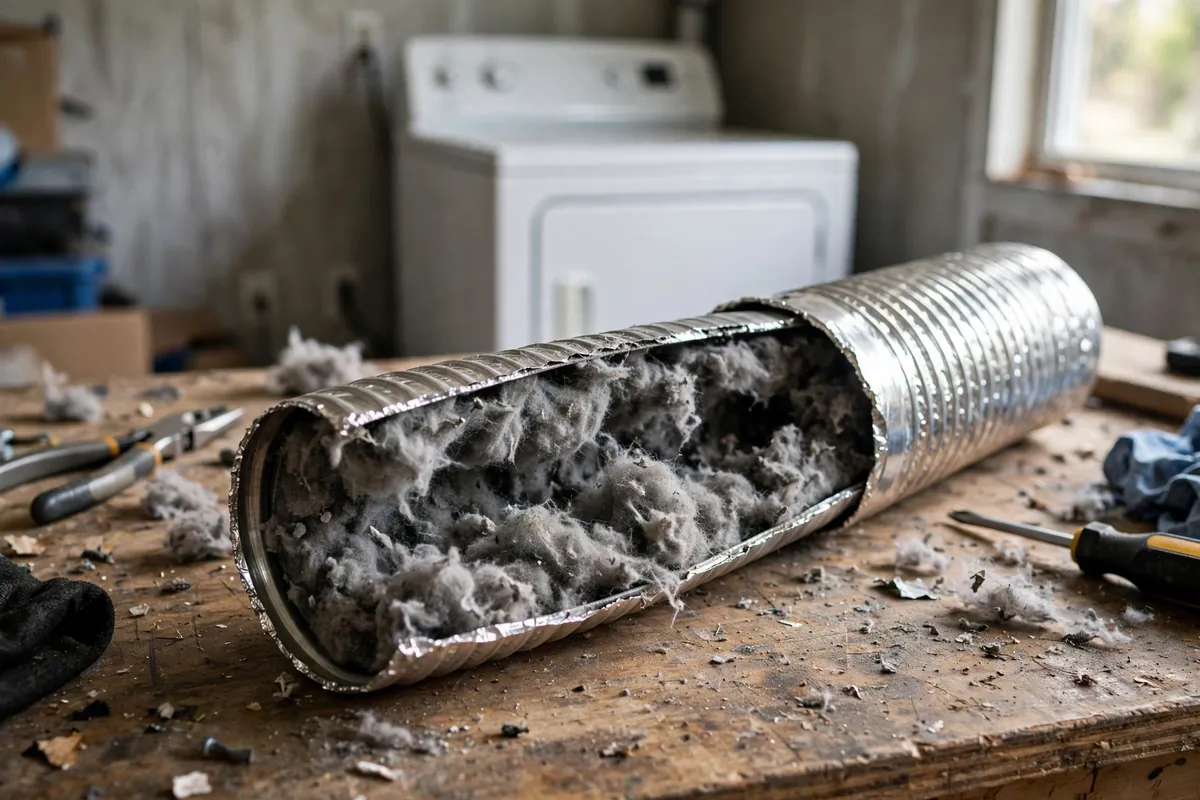
Next, feel the outside vent while the dryer runs. Weak airflow points to a blockage. Lint builds up inside the vent line over months. The dryer overheats, the thermal fuse blows, and heat stops. Many calls that look like a dead element are really vent calls.
Thermal Fuse, Heating Element, or Vent Blockage?
The Vent Line
Long vent runs and crushed hoses trap lint. Dryers tucked into laundry closets suffer the most. Clean the lint filter before every load. Have the full vent line cleaned once a year. If clothes need two cycles to dry, the vent is suspect number one.
The Thermal Fuse
The thermal fuse is a one time safety device. It blows when the dryer gets too hot. A blown fuse means something caused the overheat. Replacing the fuse without clearing the vent only buys you a second blown fuse. A dryer repair service that skips the vent check is setting you up for a repeat visit.
The Heating Element
Electric dryers heat with coiled wire inside a metal housing. The coil can snap with age or from repeated overheating. A tech tests it with a meter in seconds. Element jobs are routine and usually finish in one visit.
Gas Dryers Heat Differently
Gas dryers use an igniter and gas valve coils. The igniter glows to light the gas. Worn coils open the valve for shorter and shorter bursts. The dryer heats at first, then goes cold mid cycle. That pattern is the classic coil failure signature.
Dryer Repair Costs: What to Expect
Most dryer fixes land in a modest range. These are typical ranges seen across the country. Your market may run higher or lower.
- Vent line cleaning: $100 to $200
- Thermal fuse replacement: $120 to $190
- Heating element replacement: $170 to $300
- Gas valve coils or igniter: $150 to $280
- Belt, drum rollers, or idler pulley: $140 to $260
- Control board: $250 to $450
A diagnostic visit usually costs $60 to $130. Many shops credit that fee toward the repair if you go ahead. Ask before you book so there are no surprises.
Dryer Vent Cleaning and Fire Safety
Fire service guidance is blunt about dryer vents. The U.S. Fire Administration tells homeowners to clean the lint filter before or after every load. It also warns that lint buildup inside vents is a leading cause of laundry fires. Have the vent line checked every year, not just the filter.
A burning smell from the dryer is a stop sign. Turn the dryer off. Unplug it if it is electric. Call for service before you run it again. We cover this topic in depth in our dryer vent cleaning and fire safety guide (coming soon).
Squealing? That Noise Is a Warning
A high squeal that fades as the dryer warms up points to drum rollers or the idler pulley. The parts are cheap. The labor is the real cost. Ignoring the noise ends with a snapped belt and a dead dryer mid load.
GE dryers are known for the idler pulley squeak. Our upcoming GE dryer page (coming soon) covers that model’s weak spots in detail.
When the Drum Will Not Turn at All
A dryer that hums but will not tumble usually has a snapped belt. The motor runs. The drum sits still. You may hear a thump as the loose drum shifts. Belt replacement means opening the cabinet, so most owners call a tech.
If the dryer is fully dead, check the door switch first. The machine will not start if it thinks the door is open. A failed switch is a cheap part. A burned out motor costs more. Motors rarely fail before the 10 year mark.
How Long Does the Visit Take
Most dryer jobs finish in one visit. The tech diagnoses the fault, swaps the part, and tests a full heat cycle. Plan for 45 to 90 minutes door to door.
Two visit jobs happen when a part must be ordered. Control boards and some gas valves are not stocked on every truck. A good shop tells you this upfront and books the return visit before leaving. Ask how long the part will take. Common parts arrive in two to four days.
What a Good Dryer Service Visit Looks Like
The tech should ask what the dryer is doing before touching it. Then comes the vent check, the meter tests, and a clear quote. You approve the price before any work starts.
Ask to see the failed part. A worn roller, a snapped belt, or a blown fuse is easy to show. This is standard practice at honest shops. It answers the oldest worry in this trade: paying for parts you did not need.
Should You Repair or Replace Your Dryer
Dryers last about 10 to 13 years. Use the 50 percent rule. If the repair costs less than half of a comparable new dryer, fix it. A $180 element in a six year old dryer is an easy yes. A $400 board in a 12 year old dryer is usually a no.
New dryers bring new costs too. Delivery fees, haul away fees, and a fresh vent hookup add up fast. A mid life dryer with a simple failed part is almost always worth saving.
Get Your Dryer Working Again
Clothes dryer repair beats replacement in most cases, and it starts with a proper diagnosis. Start at our home page or pick your city in areas we serve to book a visit. Techs carry common dryer parts, so most jobs finish the same day.
Frequently asked questions
Why is my dryer not heating up?
The most common causes are a tripped breaker, a clogged vent, a blown thermal fuse, or a failed heating element. Gas dryers add a worn igniter or weak gas valve coils to the list. A tech tests each part in order and replaces only the failed one. Most no heat jobs finish in one visit.
Why does my dryer take two cycles to dry clothes?
Weak airflow is the usual cause. A lint clogged vent line traps heat and moisture inside the drum, so the dryer needs a second cycle to finish. Clean the lint filter before every load and have the vent line cleaned yearly. If the problem persists, the heating element or gas coils may be weak.
My dryer makes a loud squealing noise. What is wrong?
Worn drum rollers or a failing idler pulley cause most dryer squeals. The belt can also squeak as it stretches with age. These parts wear out slowly, then fail all at once. Fixing the noise early costs less than a snapped belt plus a second service call.
Can a clogged dryer vent really cause a fire?
Yes. Lint is extremely flammable, and a blocked vent lets heat build up inside the line. Fire service guidance says to clean the lint filter before or after every load and to have the vent checked regularly. A burning smell from the dryer means stop using it and call for service.
Do you fix gas dryers as well as electric ones?
Yes. Gas dryer fixes cover the igniter, gas valve coils, and flame sensor. The diagnostic is the same: check airflow first, then test parts. If you smell gas around the dryer, shut it off, open a window, and call your gas company from outside your home.
Broken appliance? We're one call away.
Same-day appliance repair across 37 cities. Upfront pricing, written warranty, and an honest repair-or-replace answer on every job.
Call +1 (888) 206-0056