Stove Repair
Burner won't light or coil stays cold? Stove repair for gas burners, electric ranges, and glass cooktops. Flat rate pricing, written warranty. Book today.
Need stove repair? Call now for same-day service.
Call +1 (888) 206-0056Stove, range, cooktop. Three words for the cooking surface you use every day. Stove repair covers all three. Gas burners, electric coils, and smooth glass tops each fail in their own way. This page walks through every type so you know what to expect before a tech arrives.
Gas Stove Burner Repair
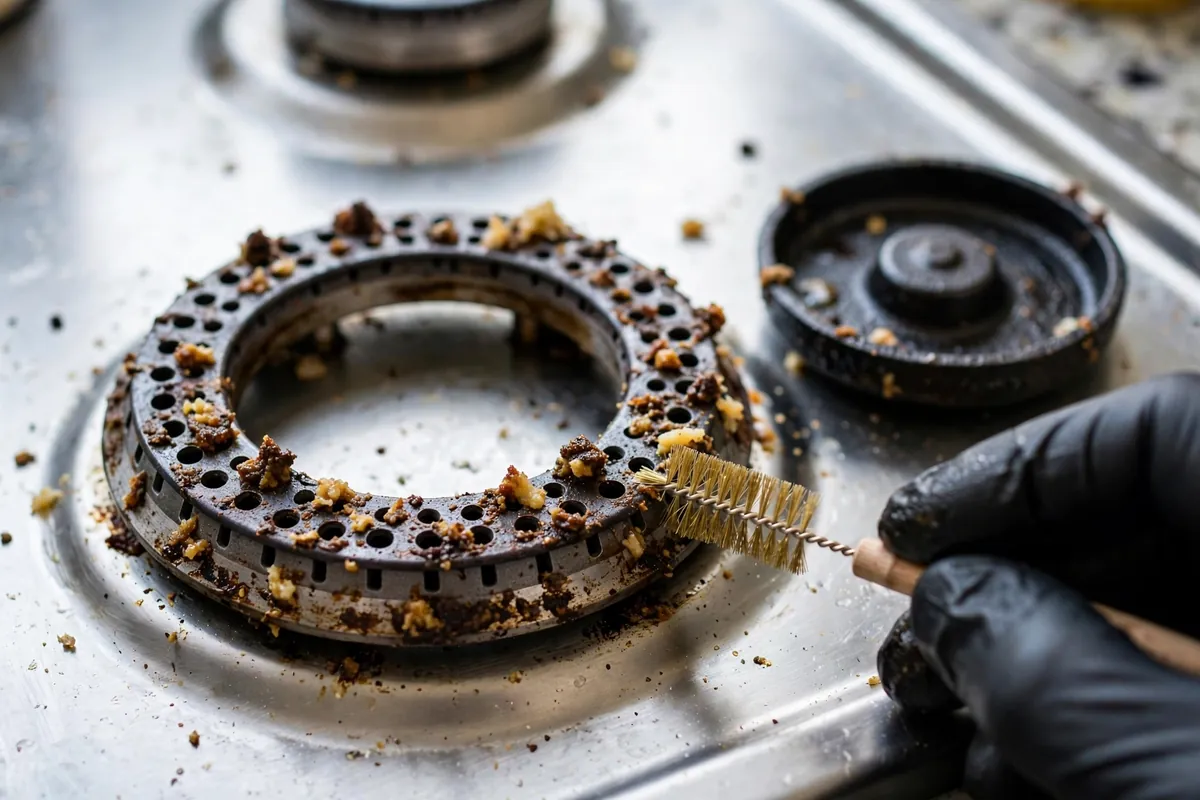
A burner that clicks but will not light usually has clogged ports. Food and grease block the tiny holes where gas comes out. Clean them with a pin or a soft brush. Check that the burner cap sits flat and centered. A crooked cap breaks the flame ring.
If the burner lights with a match but not the igniter, the spark module is weak. You will hear clicking with no spark at the burner. Igniter and spark module swaps are quick jobs. A lazy yellow flame instead of a crisp blue one also points to dirty ports or a fuel mixture issue.
Smell gas and no flame? Turn the burner off. Do not flip switches or light anything. Open a window. Call your gas company from outside the home. Gas leaks are rare, but they are never a wait and see problem.
Electric Range Repair
Electric coil burners are simple and cheap to fix. If one coil stays cold, swap it with a working coil from another spot. If the problem follows the coil, the coil is dead. If it stays in the same spot, the burner receptacle or the infinite switch failed.
The infinite switch is the control behind the knob. It cycles power on and off to hold your heat setting. When it fails, the burner sticks on high or will not heat at all. Receptacles burn out from loose coil connections. Both fixes are routine range repair work that a tech finishes in one visit.
Coil receptacles fail when coils sit loose. Push each coil firmly into its socket every few months. A tight connection runs cooler and lasts longer.
Glass Cooktop Repair
A cracked glass cooktop needs honest judgment. A small surface scratch is cosmetic and safe. A crack that runs through the glass is not safe to use. Heat and spills can reach the wiring and elements below. That creates a real shock risk.
Glass tops are replaced as one unit. They are never patched or glued. Never cook on a cracked top that exposes the element below. If only one zone stopped heating but the glass is intact, the radiant element or its switch failed. That is a standard cooktop repair, much cheaper than a full glass replacement.
Coil vs Smooth Top vs Induction
Coil tops are the simplest to fix. Elements plug in and swap out in minutes. Parts are cheap and universal. This is the most repair friendly stove ever made.
Smooth glass tops cost more to fix. The radiant elements sit under sealed glass. A failed element means lifting the top. A cracked top means replacing the whole glass. Parts cost more, and the labor runs longer.
Induction cooktops are a different animal. They use magnets, not heat, to warm the pan. Repairs are board level work and parts are pricey. Few independent shops stock induction parts. Expect longer waits and higher quotes.
Gas Stove Safety Basics
Gas stoves are safe when they are maintained. Keep burner ports clean so gas burns fully. A crisp blue flame is the sign of a healthy burner. Yellow, lazy flames waste gas and make carbon monoxide.
Never use the stove to heat your home. Ovens are not space heaters. If a burner will not light after a few clicks, stop and let the gas clear before trying again. Keep the area around the stove clear of towels, paper, and curtains.
How Long Does the Visit Take
Most stove jobs finish in one visit. Igniters, coils, and switches swap in under an hour. Plan for 45 to 90 minutes door to door.
Glass top replacement takes longer. The tech must order the exact glass for your model. That usually means a second visit a few days later. Gas valve work also runs longer because of the safety checks involved.
What a Good Service Visit Looks Like
The tech should test every burner, not just the broken one. Weak spark on a second burner is worth knowing about. Then comes the diagnosis and a clear quote before any work starts.
For gas work, ask about the leak check. A good tech tests every gas connection after the repair. That test takes minutes and it is non negotiable. Ask to see the failed part too. A cracked igniter or a burned receptacle tells its own story.
Stove Repair Costs: What to Expect
Typical ranges for common stove, range, and cooktop repairs:
- Gas igniter or spark module: $140 to $240
- Electric coil element: $120 to $200
- Infinite switch: $150 to $250
- Burner receptacle: $120 to $200
- Glass cooktop replacement: $300 to $600
- Gas valve: $200 to $400
A diagnostic visit runs $60 to $130 in most areas. Gas repairs should stay with licensed techs. Ask if the shop credits the diagnostic fee toward the repair.
Should You Repair or Replace Your Stove
Ranges last 13 to 15 years, longer than most kitchen appliances. A $150 igniter in a ten year old gas range is worth it. A $500 glass top on a 14 year old electric range usually is not. Use the 50 percent rule. Compare the quote against a new unit before you decide.
Think about the whole cost of replacement. Delivery, haul away, and a gas line hookup add hundreds. A mid life stove with one failed part is almost always worth saving.
Match the repair to the stove age. Under eight years, almost any single part is worth fixing. Over twelve, only cheap parts make sense. Between those ages, the 50 percent rule decides.
Get Your Stove Fixed Today
Start at our home page or pick your city in areas we serve to book a visit. Most stove and cooktop jobs finish in one trip because techs carry the common igniters, coils, and switches.
Frequently asked questions
Why won't my gas stove burner light?
Clogged burner ports are the top cause. Food and grease block the tiny gas holes so the flame cannot catch. Clean the ports with a pin or soft brush. If the burner lights with a match but not the igniter, the spark module or igniter is weak and needs replacement.
Why is my electric stove burner not heating?
Swap the cold coil with a working one. If the problem follows the coil, the coil is dead. If it stays in the same spot, the burner receptacle or the infinite switch failed. Both are routine fixes. A tech tests each part with a meter before replacing anything.
Is it safe to use a cracked glass cooktop?
A small surface scratch is cosmetic. A crack that goes through the glass is not safe to use. Heat and spills can reach the wiring below, which creates a shock risk. Glass tops are replaced as one unit, never patched. Stop cooking on it and call for service.
Why is my gas flame yellow instead of blue?
A lazy yellow flame usually means dirty burner ports or a fuel mixture issue. Clean the ports first and check that the burner cap sits flat. If the flame stays yellow after cleaning, the air shutter or gas pressure may need a tech to adjust it.
What does it cost to fix a stove?
Most stove fixes run $120 to $400 depending on the part. Igniters, coils, and switches sit at the low end. Glass cooktop replacement and gas valves sit at the high end. A diagnostic visit usually costs $60 to $130, and many shops credit it toward the repair.
Broken appliance? We're one call away.
Same-day appliance repair across 37 cities. Upfront pricing, written warranty, and an honest repair-or-replace answer on every job.
Call +1 (888) 206-0056