How to Clean an Oven
Learn how to clean an oven the safe way: self-clean cycle tips, baking soda method, rack cleaning, glass door tricks, and key safety rules for any oven.
Need appliance repair? Call now for same-day service.
Call +1 (888) 206-0056Baked-on cheese from last month. Grease on the door glass. A smell every time you preheat. If you want to know how to clean an oven properly, this guide covers every method. You will learn the self-clean cycle, the safe hand-cleaning methods, and the safety rules that matter. Pick the method that fits your oven and your mess.
How to Clean an Oven with the Self-Clean Cycle
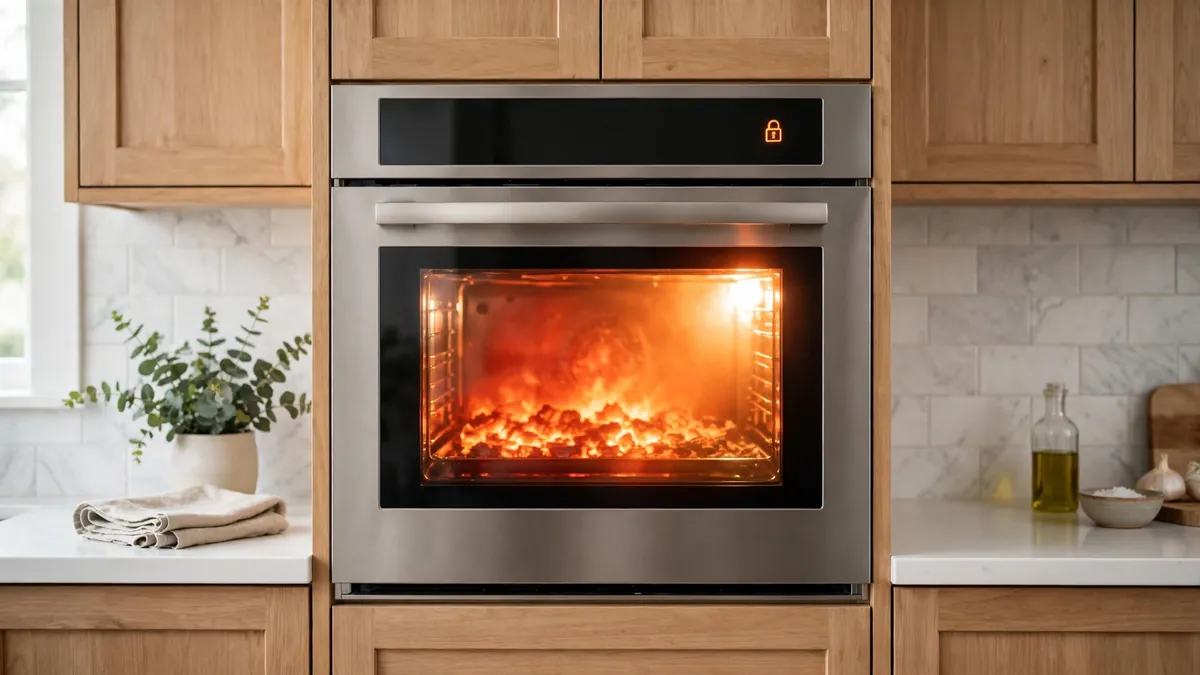
The self-clean cycle heats the oven to around 900 degrees. At that heat, food soil burns to a thin ash. You wipe the ash out when the oven cools. It is the easiest method when it works. It is also the hardest on the machine.
Before You Start
Remove the oven racks. The extreme heat discolors them and can warp the finish. Take out the broiler pan and any foil. Wipe up loose crumbs and pools of grease with a damp cloth. Heavy grease turns into heavy smoke. Check that the oven door locks when the cycle starts. The lock is a safety feature. Never force it open mid cycle.
During the Cycle
Stay home the whole time. The oven gets hotter than any normal cooking. Keep kids and pets out of the kitchen. Open a window and run the range hood fan. Some smoke and smell is normal. Thick smoke is not. If the smoke gets heavy, cancel the cycle and clean by hand instead.
The Hidden Risk
Self-clean is the top killer of oven control boards. The extreme heat stresses electronics, door locks, and thermal fuses. Many ovens die during or right after a self-clean cycle. Never run it the week before a holiday. If your oven is over ten years old, hand cleaning is safer. When the self-clean cycle kills an oven, the fix is rarely cheap. Our oven repair hub covers what breaks and what it costs.
After the Cycle
Wait until the oven cools fully and the door unlocks. This takes an hour or more. Wipe the ash out with a damp cloth. It comes off easily. Clean the door glass by hand. The cycle rarely cleans the glass well. Put the racks back in. Run a short empty heat cycle with the windows open to burn off any leftover smell.
How to Clean an Oven by Hand
Hand cleaning takes longer but it is gentle. It cannot damage the control board. It works on any oven, any age. Use one of these three methods.
The Baking Soda Method
Mix baking soda with enough water to make a thick paste. Spread it over the oven interior. Avoid the heating elements and the oven light. Coat the worst spots thickly. Let it sit overnight, or at least eight hours. The paste loosens baked-on soil slowly. Wipe it out with a damp cloth the next day. Spray plain white vinegar on any leftover film. It fizzes and wipes clean. This method handles light to medium soil well.
Commercial Oven Cleaner
Store-bought oven cleaner works faster than baking soda. It is caustic, so treat it with respect. Wear gloves. Ventilate the kitchen. Spray it on a cool oven only. Keep it off the heating elements, the gas igniter, and the oven light cover. Follow the wait time on the label, usually 20 to 30 minutes. Wipe it out fully. Rinse with a damp cloth twice. Leftover chemical film smokes on the next preheat. Check the label before use in a self-clean oven. Some brands advise against it.
The Steam Method
Some ovens have a steam-clean setting. It heats water in the oven bottom to around 250 degrees for 20 to 30 minutes. The steam loosens light soil. It will not touch heavy baked-on grease. You can fake it in any oven. Put a large oven-safe pot of water inside. Heat to 250 degrees for 30 minutes. Let it cool slightly, then wipe the softened soil. Steam is the gentlest option. It is best for maintenance cleaning between deep cleans.
How to Clean Oven Racks
Racks are the hardest part. They do not fit in the sink well and soil bakes on thick. The bathtub method works best. Lay old towels in the tub to protect it. Fill with hot water and add dishwasher detergent or baking soda. Soak the racks for four to six hours, or overnight. Scrub with a non-scratch pad. Rinse and dry fully before they go back in. Never put racks through the self-clean cycle. The heat ruins the finish and they come out discolored and rough.
How to Clean the Oven Door Glass
The glass collects the worst of it. Grease bakes on in layers. Make a baking soda paste and spread it on the cool glass. Let it sit for 15 to 20 minutes. Scrub gently with a non-scratch pad. For stubborn spots, a razor blade scraper held flat works well. Keep the blade flat to avoid scratches. Never spray glass cleaner on hot oven glass. The temperature shock can crack it. Wipe the inner glass too. Grease seeps between the panes on some models. If the inner glass is badly stained, it may need a technician to open the door panel.
Oven Cleaning Safety Rules
Oven cleaning is safe when you respect the heat and the chemicals.
- Never leave a self-clean cycle running while you are out.
- Move pet birds out of the house during self-clean; the fumes can kill them.
- Wear gloves with any commercial oven cleaner.
- Ventilate the kitchen during every cleaning method.
- Let the oven cool fully before you wipe anything.
- Keep cleaners off heating elements, igniters, and light covers.
- Unplug an electric oven or shut off the breaker before deep hand cleaning around elements.
Gas oven owners get one extra rule. If you smell gas at any point, stop. Leave the kitchen. Call your gas utility from outside. Cleaning never matters more than safety.
How Often Should You Clean Your Oven?
Clean every three to six months. Heavy bakers should go quarterly. Wipe spills the same day they happen. Sugar spills are the worst. They burn into glass-like spots that resist every cleaner. A quick wipe after the oven cools beats a four-hour scrub later. A clean oven also cooks better. Thick grease layers smoke and add off flavors to food.
When Cleaning Reveals a Real Problem
Sometimes cleaning day exposes a broken oven. The bake element has a blister. The igniter glows but the burner never lights. The oven never reaches temperature after the racks went back in. The self-clean cycle tripped something and now nothing works. These are repair jobs, not cleaning jobs. Our oven repair hub walks through the symptoms. If the stovetop is acting up too, see our stove repair page. Call +1 (888) 206-0056 for same day and next day slots. Most oven jobs finish in one visit because techs carry common elements, igniters, and sensors.
Frequently asked questions
Can I use the self-clean cycle on my oven?
Usually yes, but read your manual first. Self-clean heats the oven to around 900 degrees. Remove the racks first. Stay home while it runs. Never run it the week before a big holiday. The extreme heat is the top killer of oven control boards and door locks.
What is the best homemade oven cleaner?
A paste of baking soda and water beats most store cleaners for light to medium soil. Spread it on the interior, let it sit overnight, then wipe it out. Spray vinegar to cut the last film. It takes time but it cannot damage the oven.
How often should I clean my oven?
Every three to six months for most homes. Heavy bakers should clean quarterly. Wipe spills the same day they happen. Burned-on spills get harder to remove every time you heat the oven. A quick wipe now beats a four-hour clean later.
Is oven cleaner spray safe?
Commercial oven cleaners work fast but they are caustic. Wear gloves and ventilate the kitchen. Never spray them on a hot oven. Keep them off heating elements and the oven light cover. Some brands warn against use in self-clean ovens, so check the label.
Why does my oven smoke when I clean it?
Smoke comes from grease burning off, not from the cleaner itself. Heavy grease turns to smoke at high heat. Wipe out loose grease before a self-clean cycle. Open windows and run the range hood fan. If smoke is thick, stop the cycle and clean by hand first.
Can pets be harmed by oven cleaning?
Yes. Self-clean fumes can kill pet birds, which have fragile lungs. Move birds to another room or out of the house during the cycle. Keep all pets away from chemical cleaners. Ventilate the kitchen well until the smell is gone.
Broken appliance? We're one call away.
Same-day appliance repair across 37 cities. Upfront pricing, written warranty, and an honest repair-or-replace answer on every job.
Call +1 (888) 206-0056