Front Load Washer Smells
Front load washer smells? Mold and mildew hide in the door gasket. Learn how to clean washing machine mold and keep washer odor gone for good.
Need appliance repair? Call now for same-day service.
Call +1 (888) 206-0056You open the washer and a sour, musty smell hits you. The clothes smell worse than when they went in. If your front load washer smells, you are dealing with the number one complaint about front load machines. Consumer Reports found odor and mold to be the top grievance among front loader owners. The good news is that the smell has a clear cause and a clear fix. This guide shows you how to clean washing machine mold out and keep it from coming back.
Front Load Washer Smells? Here Is Why
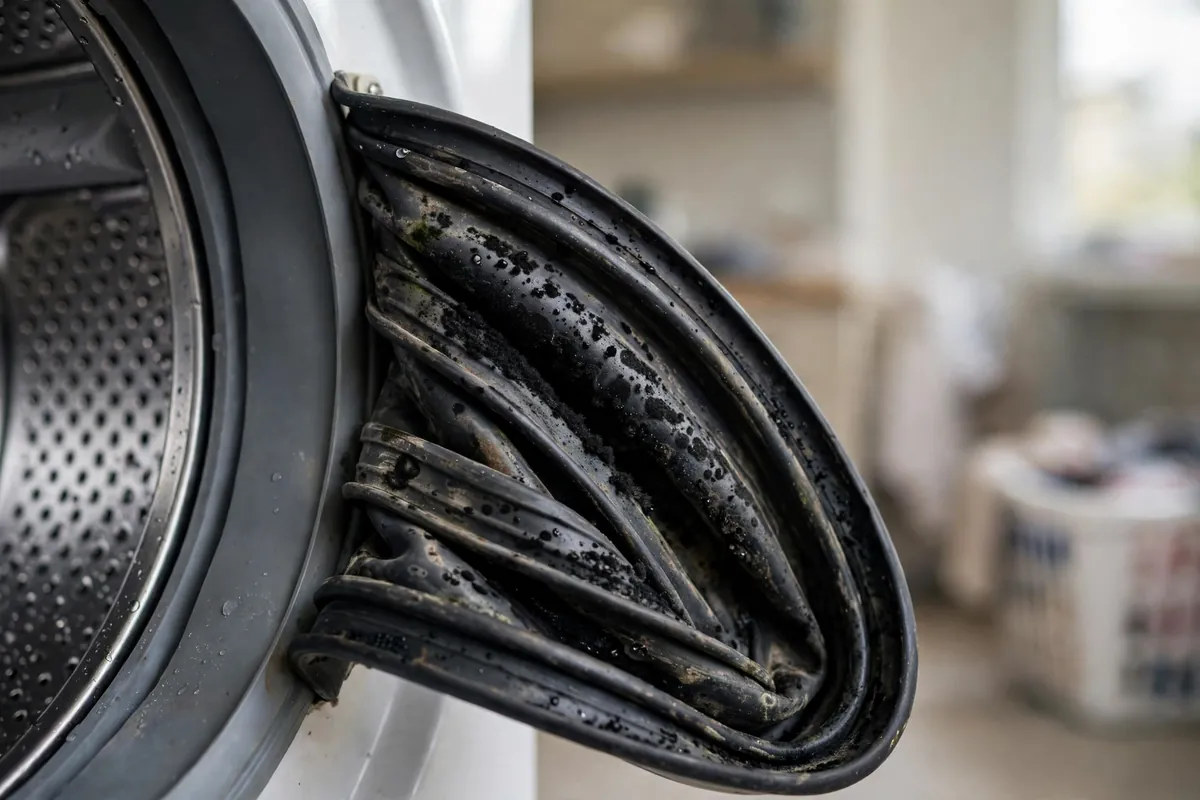
A front load washer seals shut with a watertight door gasket. That seal is great during the wash. After the wash, it traps moisture inside a dark, warm drum. Mold and mildew love that environment. They grow in the folds of the door gasket, in the detergent dispenser drawer, and on the outer tub where you cannot see.
Three habits feed the problem. First, using too much detergent. Modern washers need far less soap than people think, and excess detergent leaves a residue film that mold eats. Second, always washing in cold water. Cold cycles never get hot enough to kill the biofilm building up inside. Third, closing the door right after the load finishes, which locks the moisture in. Fix these three habits and most odor problems never start.
How to Clean Washing Machine Mold
Set aside about an hour. You will need white vinegar, baking soda, an old toothbrush, a microfiber cloth, and optionally a washing machine cleaner tablet made for mold removal.
Step 1: Scrub the Door Gasket
The gasket is where most of the smell lives. Pull the rubber folds back gently and look inside. You will likely see gray or black buildup. Soak a cloth in hot water mixed with white vinegar and wipe every fold. Use the toothbrush for the tight spots where the cloth cannot reach. Wipe the gasket dry when you finish. Do not yank the gasket hard. It seals the door, and a torn gasket leaks.
Step 2: Run a Hot Cleaning Cycle
Empty the washer completely. Add two cups of white vinegar to the drum, or drop in a washing machine cleaner tablet. Run the hottest, longest cycle the machine offers, often labeled tub clean or sanitize. The hot water and agitation flush biofilm off the outer tub and the parts you cannot reach. If the machine has no tub clean setting, use the longest hot cycle available.
Step 3: Clean the Dispenser Drawer
Pull the detergent dispenser drawer all the way out. Most drawers have a release tab. Soak the drawer in hot soapy water and scrub off the caked detergent and mold. While it soaks, wipe inside the drawer cavity with a vinegar cloth. Mold hides in the cavity corners where the drawer slides in.
Step 4: Clean the Drain Pump Filter
The drain pump filter, sometimes called the coin trap, sits behind a small access door at the front bottom of the machine. Put a towel down first because water will spill out. Unscrew the filter and pull out the trapped lint, coins, hair, and sludge. This filter is a major odor source that cleaning cycles never touch. Rinse it, screw it back in, and close the access door.
Daily Habits That Keep the Smell Away
Cleaning once fixes the current smell. Habits keep it away for good.
- Leave the door ajar after every load. Air circulation dries the gasket and drum. This is the single most effective habit.
- Use less detergent. Follow the high efficiency detergent lines on the cap, and use even less for small loads. More soap does not mean cleaner clothes.
- Run one hot cycle per week or two. A hot wash with no clothes and a cup of vinegar keeps biofilm from building up.
- Wipe the gasket dry after the last load of the day. It takes ten seconds.
- Pull the dispenser drawer out slightly between laundry days so it airs out.
If your laundry area is very humid, a small dehumidifier or better ventilation helps too. Moisture in the room air slows drying inside the machine.
A Quick Note on Detergent
Only use detergent labeled HE, for high efficiency machines. Regular detergent makes too many suds for a front loader. The extra suds leave residue that mold feeds on, and they can confuse the rinse cycle so soap stays in the clothes. Powder HE detergent leaves less residue than liquid, so it is the better pick if odor keeps returning. Measure with the cap lines. Most people pour twice what the load needs.
When the Odor Means a Bigger Problem
Sometimes the smell is not mold at all. A rotten egg or sewer smell can mean the drain hose is pushed too far into the standpipe. The hose end should sit a few inches into the pipe with an air gap around it, not sealed tight. Without that gap, sewer gas drifts back into the machine.
A musty smell paired with standing water or clothes that come out sopping wet points to a drain problem. A clogged pump filter, a blocked drain hose, or a failing drain pump leaves dirty water sitting in the machine between loads. That water turns fast. Our washer drain guide walks through the drain side of the problem.
A burning or electrical smell is different. Stop using the machine and unplug it. That is not a cleaning issue.
Smell Gone but Worried It Will Return?
You scrubbed the gasket, ran the hot cycle, and the washer smells fresh again. Keep the door ajar habit and the monthly hot cycle, and the odor should stay away. If the smell returns within days of a full cleaning, or if water is pooling where it should not, something mechanical may be wrong. Book washer repair and a technician will check the drain system and seals in one visit. Call +1 (888) 206-0056 for same day and next day slots. We serve Milwaukee, Sacramento, and Grand Rapids. Pick your city in areas we serve to see local scheduling.
Frequently asked questions
Why does my front load washer smell bad?
The sealed door traps moisture inside after every load. That moisture feeds mold and mildew in the door gasket, the dispenser drawer, and the outer tub. Too much detergent and constant cold washes make it worse, because detergent residue and biofilm build up where you cannot see them.
How do I clean washing machine mold from the door gasket?
Pull the gasket folds back and scrub them with a cloth soaked in a mix of hot water and white vinegar. Use an old toothbrush for the tight folds. Wipe the gasket dry after scrubbing. For heavy mold, a second pass with a washing machine cleaner made for mold removal finishes the job.
Can I use bleach to clean my washing machine?
Yes, but use it sparingly. One cup of liquid bleach in a hot empty cycle kills mold and bacteria. Run an extra rinse cycle after so no bleach residue touches your next load of clothes. Do not mix bleach with vinegar or other cleaners. Too frequent bleach use can wear rubber parts over time.
Why does my washer smell even after I clean it?
The smell usually lives where the cleaning cycle cannot reach. Pull the dispenser drawer out and scrub it. Clean the drain pump filter behind the small access door at the front bottom of the machine. Check that the drain hose has an air gap and is not pushed too far into the standpipe, which lets sewer gas drift back.
Should I leave my washer door open between loads?
Yes. Leave the door ajar after every load so air circulates and the gasket and drum dry out. This single habit prevents more odor than any cleaner. If you have small children, use the door ajar position or a door prop made for washers rather than leaving it wide open.
Broken appliance? We're one call away.
Same-day appliance repair across 37 cities. Upfront pricing, written warranty, and an honest repair-or-replace answer on every job.
Call +1 (888) 206-0056